
Transform Your Body Through Smart Nutrition
Discover science-backed meal preparation strategies designed specifically for men who want to build muscle, boost energy, and achieve sustainable fitness results.
Whether you're aiming for strength gains, fat loss, or improved athletic performance, our comprehensive guide shows you exactly how to structure your weekly meal prep for maximum results.
The information on this site is for educational purposes only and does not constitute medical advice. Always consult a qualified healthcare professional before making health decisions.
Your Meal Prep Journey in 4 Steps
Master the fundamentals of nutrition planning and preparation with our proven four-step framework.
Assess Your Goals
Determine your specific fitness objectives—muscle building, fat loss, or performance enhancement—and establish your daily caloric and macronutrient targets.
Plan Your Meals
Select nutrient-dense foods that support your goals and create a strategic meal schedule optimized for your training and lifestyle needs.
Prepare & Cook
Execute efficient batch cooking techniques to prepare multiple meals in one dedicated session, saving time while maintaining nutritional quality.
Track & Adjust
Monitor your progress, adjust portions based on results, and continuously refine your meal prep system for sustained improvement.
Why Smart Nutrition Planning Works for Men
Professional meal preparation eliminates the guesswork from nutrition. Instead of making daily food decisions that derail your progress, a structured approach ensures consistent macro intake and supports predictable body composition changes.
Optimized Muscle Building
Precise protein intake combined with strategic carbohydrate timing enhances protein synthesis and recovery, accelerating lean muscle development.
Sustained Energy Levels
Balanced meal composition stabilizes blood sugar, preventing energy crashes and improving workout performance and mental focus throughout your day.
Time Efficiency
Dedicate a few hours weekly to meal prep instead of spending 45 minutes daily cooking. This approach streamlines your schedule while maintaining nutritional excellence.
Cost Control
Buying ingredients in bulk and preparing meals strategically reduces food waste and lowers your overall nutrition budget compared to restaurant eating or processed foods.
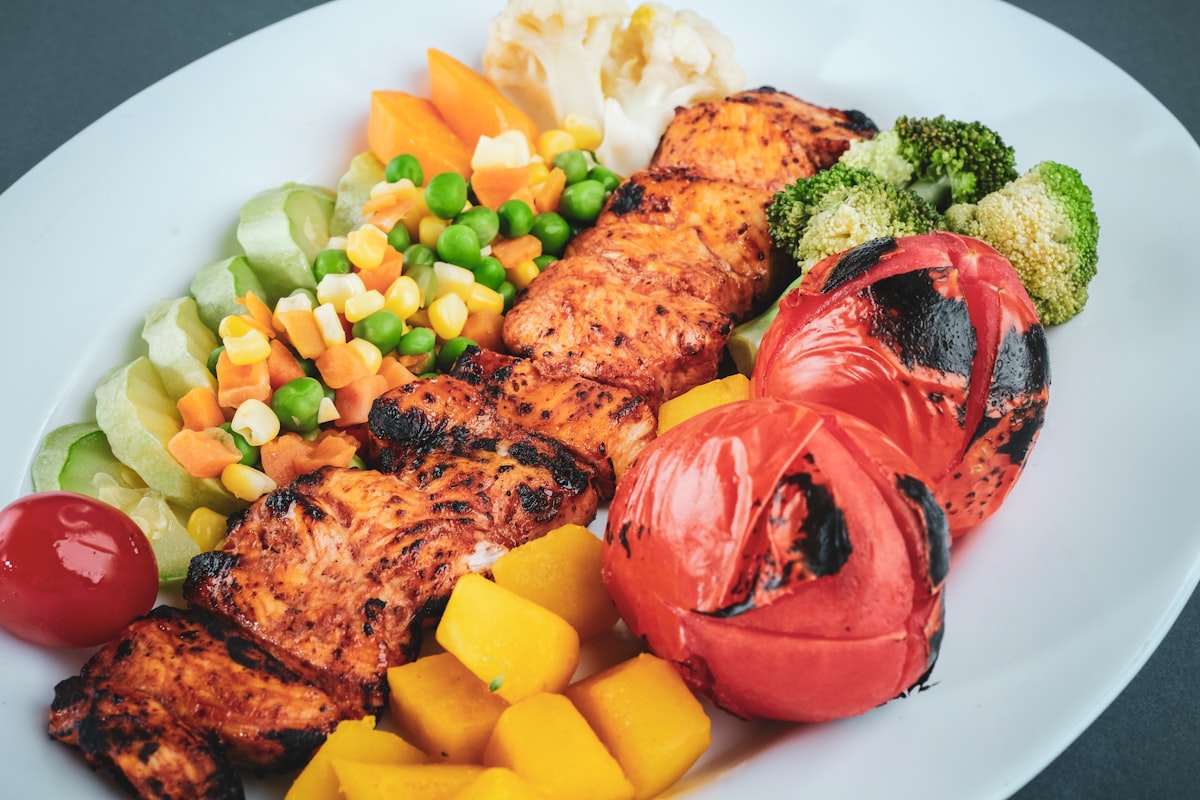
Weekly Meal Prep Showcase
Explore practical examples of nutrition-balanced meals designed to support strength training and body composition goals.
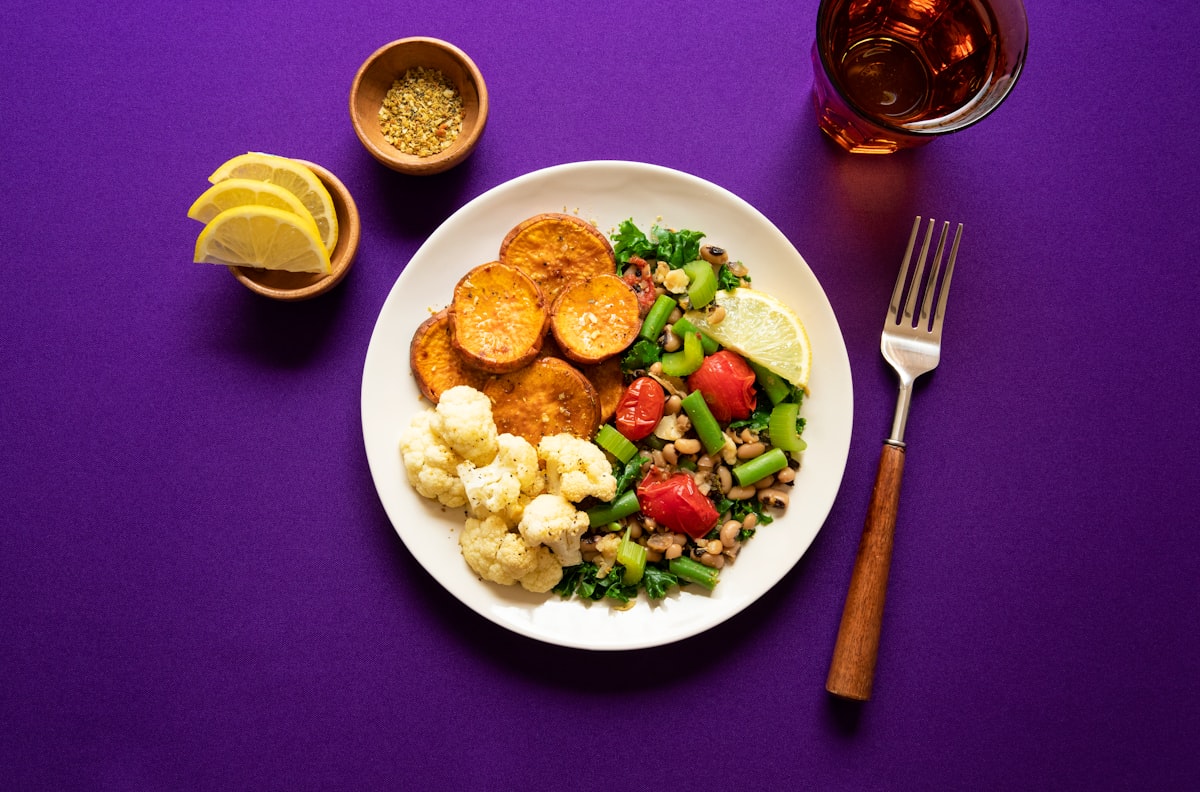
High-Protein Breakfast Bowl
Scrambled eggs, steel-cut oats, Greek yogurt, and mixed berries to kickstart your morning with sustained energy and muscle-supporting amino acids.

Grilled Chicken Power Lunch
Seasoned grilled chicken breast, brown rice, and nutrient-dense roasted vegetables—a classic combination for supporting muscle growth and sustained performance.
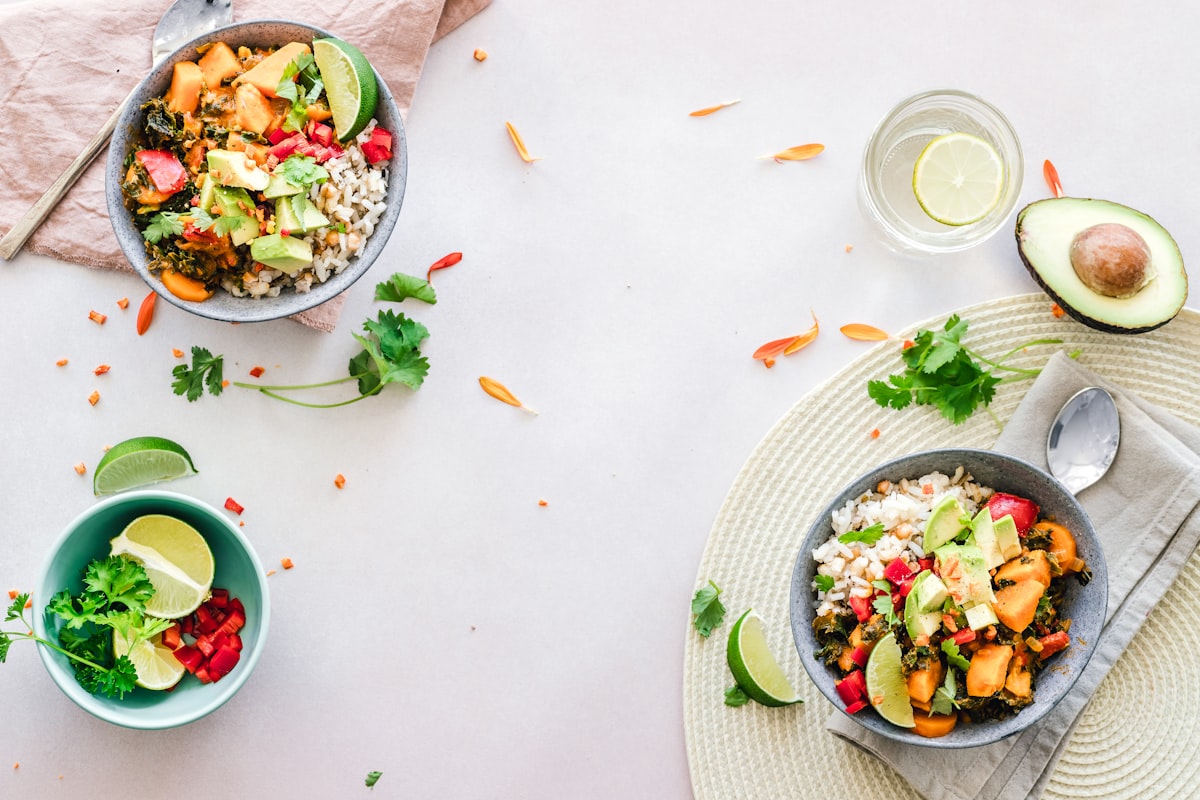
Omega-3 Rich Salmon Dinner
Wild-caught salmon, quinoa, and steamed broccoli providing complete amino acid profiles, healthy fats, and micronutrients for recovery and hormonal balance.

Iron-Rich Beef Bowl
Lean ground beef, sweet potato, and nutrient-dense spinach—an excellent source of creatine, iron, and carbohydrates for strength athletes and active individuals.
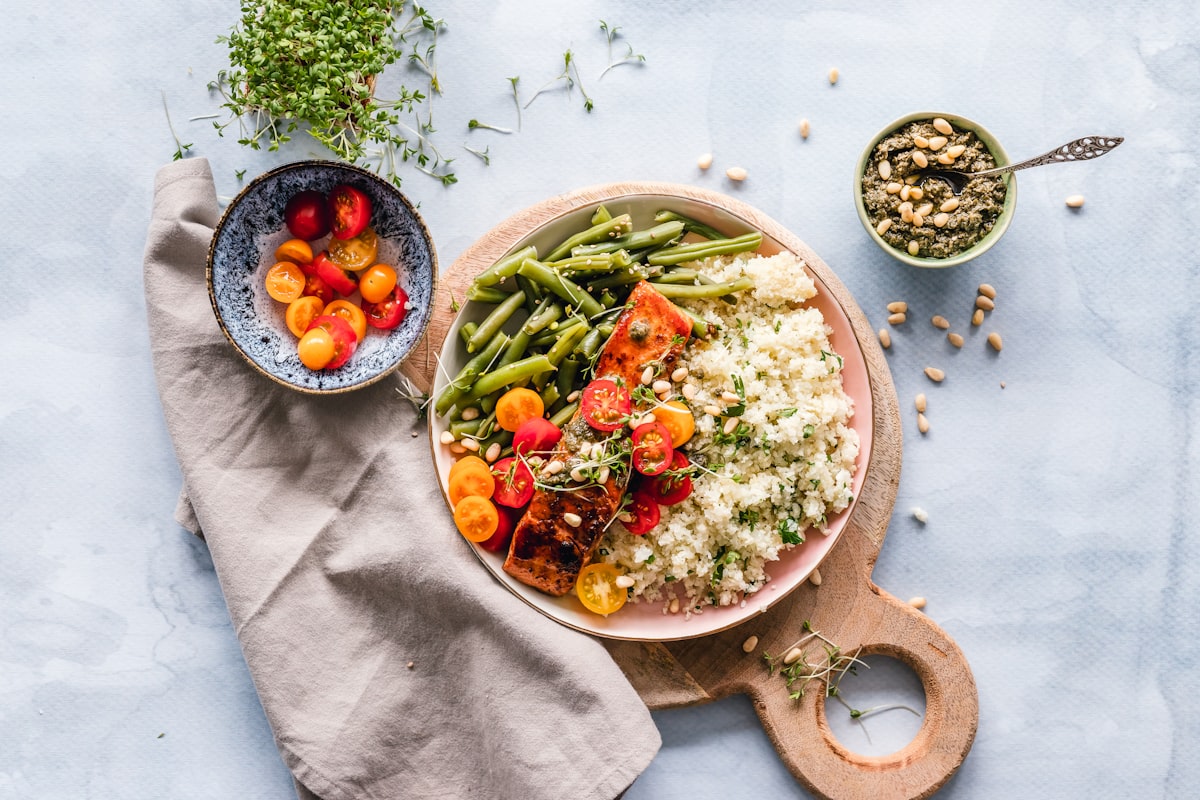
Lean Turkey Pasta
Ground turkey, whole wheat pasta, and fresh tomato sauce offering lean protein with lower fat content—ideal for individuals prioritizing fat loss while maintaining muscle.

Vegetable Stir-Fry Bowl
Mixed seasonal vegetables, tofu, and brown rice providing micronutrient density, fiber, and plant-based protein—supporting overall health and workout recovery.
Stay Updated with Nutrition Insights
Subscribe to receive the latest meal prep strategies, nutritional science updates, and practical tips for optimizing your fitness through proper nutrition.
We respect your privacy. Unsubscribe at any time.
Common Questions About Meal Prep
Find answers to frequently asked questions about nutrition planning and meal preparation strategies.
Most nutrition professionals recommend meal prep sessions on either Sunday or Wednesday to maximize freshness while minimizing spoilage. For optimal food quality, prepare meals no more than 3-4 days in advance, with the exception of frozen portions that can last 2-3 weeks. If you prep twice weekly (Sunday and Wednesday), you maintain fresh meals while reducing preparation fatigue. Proper storage containers and refrigeration techniques significantly extend meal viability.
Standard recommendations for muscle-building goals suggest 30-35% of calories from protein, 40-50% from carbohydrates, and 20-30% from fats. However, optimal ratios vary based on individual goals: fat loss may benefit from higher protein and lower carb ratios (35-40% protein, 30-40% carbs, 25-35% fat), while strength athletes often thrive with moderate adjustments. Your current body composition, training intensity, and individual metabolism all influence ideal macronutrient distribution. Most men benefit from starting with 1 gram of protein per pound of bodyweight daily, then adjusting other macros based on progress.
Yes, eating the same meals throughout the week is an excellent strategy for consistency and simplicity. Many successful athletes consume identical or very similar meals daily because predictability supports precise macronutrient tracking and removes decision fatigue. However, rotating protein sources weekly—alternating between chicken, beef, fish, and turkey—ensures micronutrient variety. You can maintain the same carbohydrate and vegetable components while changing protein sources to balance nutrition while reducing meal fatigue. Some men prefer slight meal variations within matching nutritional profiles for psychological satisfaction.
Glass containers with locking silicone lids provide the best balance of durability, reusability, and food preservation. Glass doesn't absorb odors or stains, maintains food temperature stability, and resists degradation from repeated use. BPA-free plastic containers offer lighter weight and portability, though they may absorb flavors over time. Avoid thin disposable containers as they crack easily and don't provide adequate insulation. Invest in quality containers with accurate portion sizes matching your meal plan—having 5-7 containers allows rotation while washing. Vacuum-seal bags work well for freezing proteins, extending shelf life from 3 days to several weeks.
When increasing training volume or intensity, prioritize increasing carbohydrate intake first while maintaining consistent protein levels. Higher training frequency requires additional energy to support recovery and performance, making carbohydrate adjustments essential. Start by adding 100-150 grams of carbs per week until performance stabilizes, monitoring energy and training performance closely. During deload weeks or reduced activity periods, maintain protein while reducing carbs proportionally to match lower energy expenditure. Track bodyweight weekly—if trending upward excessively during increased training, add more calories from carbs rather than fat. Most adjustments require 2-3 weeks to evaluate effectiveness.
Success Stories from Our Readers
Real experiences from men who transformed their fitness and nutrition using our guides and strategies.
"The meal prep strategies completely changed my approach to nutrition. Instead of guessing what to eat, I follow a structured plan that matches my training intensity. I've gained 12 pounds of muscle in four months while keeping my body fat stable. The detailed macronutrient information helped me understand exactly why certain food combinations work better for my goals. This is the most practical nutrition information I've found."
Rudi Bakhtiar
Jakarta, Indonesia
"As a busy professional, I struggled with consistency until I implemented the weekly meal prep system described here. Spending 2 hours on Sunday preparing all my meals eliminated the constant decision-making about what to eat. My energy levels stabilized immediately, and I noticed better performance in the gym. The practical tips on storage and portion sizing made the process so much easier. Worth every minute invested."
Darmawan Wijaya
Surabaya, Indonesia
"I was losing fat but also losing muscle until I read about protein timing and daily intake targets. Adjusting my meal plan to hit the recommended macros made an enormous difference. Now I'm actually leaner while looking more muscular. The explanation of how different foods affect satiety and hunger hormones was eye-opening. This guide provided the scientific foundation I was missing."
Arief Halim
Bandung, Indonesia
"The meal prep framework saved me hundreds of thousands of rupiah monthly by replacing restaurant meals with strategic home preparation. I no longer feel overwhelmed by nutrition information—this guide breaks everything down clearly. The recipe examples are practical and actually taste good, which was my biggest concern. My strength gains have been consistent, and I finally understand how to fuel my body properly."
Iwan Setiawan
Medan, Indonesia
Transform Your Nutrition Today
Access comprehensive meal prep guides, detailed recipes, and science-backed nutrition strategies tailored for men's fitness goals. Start optimizing your nutrition immediately with actionable, practical information.
Comprehensive Resources for Success
Explore our detailed guides covering every aspect of nutrition planning and meal preparation for optimal fitness results.
Meal Prep Recipes
Discover dozens of nutrition-balanced recipes with complete macronutrient breakdowns, ingredient lists, cooking instructions, and practical storage tips for maximum convenience.
Browse recipesStructured Meal Plans
Pre-designed weekly meal plans targeting different fitness goals—muscle building, fat loss, or maintenance—with complete shopping lists and preparation schedules.
View plansNutritional Articles
In-depth educational articles exploring macronutrient science, supplementation strategies, food quality metrics, and advanced nutrition concepts for fitness optimization.
Read articles