
Nutritionist Meal Prep for Men
Science-backed meal planning strategies, macro optimization, and practical nutrition guides designed specifically for male fitness goals and lifestyle demands.
Why Meal Prep Strategy Matters for Your Goals
- Consistent macro targets deliver better body composition results than random eating patterns
- Pre-planned meals eliminate decision fatigue and keep you accountable throughout the week
- Time savings: spend 2-3 hours prepping instead of 30 minutes daily on meal decisions
- Budget control and reduced food waste when you plan portions in advance
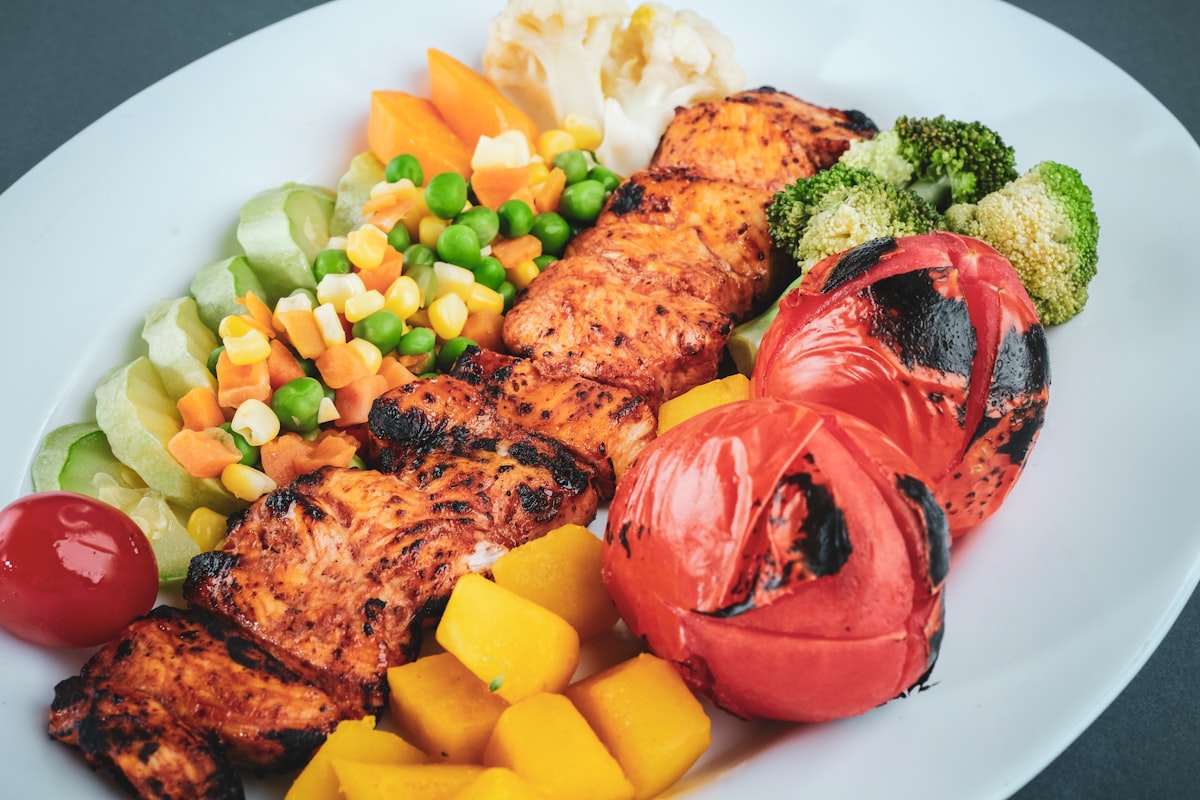
The information on this site is for educational purposes only and does not constitute medical advice. Always consult a qualified healthcare professional before making health decisions.
Core Features of Our Nutritionist Approach
We provide comprehensive meal planning frameworks built on nutritional science, not fad dieting.
Macro Calculation System
Learn how to calculate your daily protein, carbohydrate, and fat targets based on your body weight, activity level, and fitness goals. Our framework uses proven formulas that work across different metabolic types and training styles.
Whole Food Sourcing Guide
Discover the best protein sources, complex carbohydrates, and healthy fats for meal prep. We provide detailed nutrition labels and storage recommendations so your ingredients stay fresh throughout the week.
Weekly Meal Plan Templates
Access ready-to-use meal plans structured around common fitness goals—muscle building, fat loss, or maintenance. Each plan includes breakfast, lunch, dinner, and snack options that align with your macro targets.
Shopping List Organization
Transform your meal plan into a structured grocery list organized by store sections. Learn portion quantities, seasonal alternatives, and budget-friendly swaps to stay on track without overspending.
Prep Technique Tutorials
Master efficient cooking methods that scale: batch roasting proteins, smart carb preparation, and sauce-making to add flavor variety throughout your week. Save time without sacrificing taste or nutrition.
Progress Tracking Framework
Learn how to monitor your intake against your targets and adjust portions based on real results. We explain how to read nutrition labels accurately and use food tracking tools effectively.
How the Proteinmenguide System Works
Follow these four key steps to establish a sustainable meal prep routine.
Assess Your Starting Point
Record your current body weight, activity level, and fitness objectives. Determine whether you're building muscle, reducing body fat, or maintaining. This baseline shapes all subsequent calculations.
Calculate Nutritional Targets
Apply scientifically-backed formulas to determine your daily calorie needs and macro split. We provide step-by-step guidance on adjusting ratios based on your body type and training frequency.
Build Your Weekly Blueprint
Select your favorite proteins, carbs, and vegetables. Arrange them into repeatable meal combinations that fit your targets and taste preferences. Consistency is key to long-term adherence.
Execute & Refine
Implement your meal prep on schedule, track portions, and observe results over 3-4 weeks. Adjust macros slightly if needed based on body composition changes and energy levels.
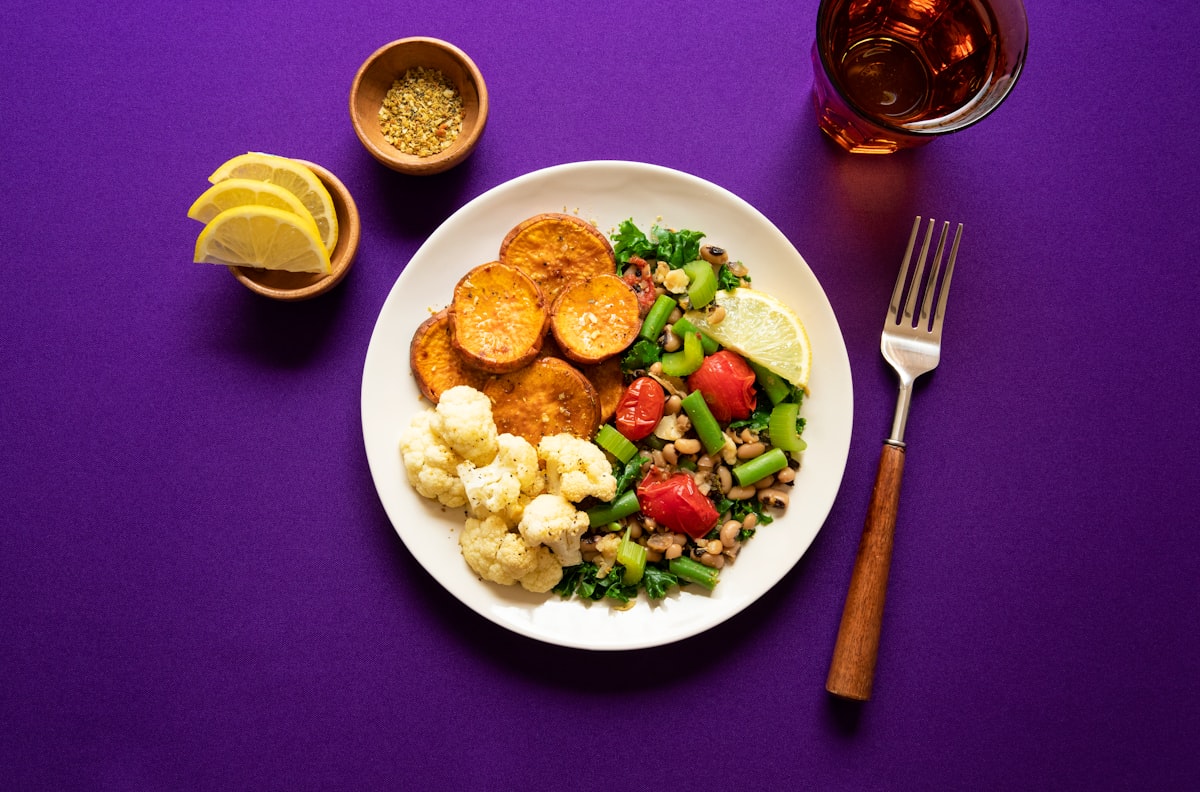
Macro Tracking & Weekly Adjustments
Consistent tracking reveals patterns that random estimation cannot. By logging your food intake for just one week, you'll identify where your actual macros deviate from targets and where adjustments help most.
Portion Control Mastery
Learn to estimate portions without a scale by using hand measurements, kitchen tools, and visual references. This skill lets you stay on target even when eating outside your home.
Smart Ingredient Swaps
Discover equivalent food substitutions that hit the same nutritional targets but offer flavor variety. Build a mental library of interchangeable options to prevent meal fatigue.
Data-Driven Adjustments
Interpret weekly feedback (energy, strength, body composition) to make informed changes. Learn whether to adjust calories, carb timing, or protein distribution based on your specific response.
Ready to Master Your Meal Prep?
Explore our comprehensive guides and step-by-step frameworks designed for men serious about nutrition and fitness performance.
Common Questions About Male Nutrition & Meal Prep
Find answers to the most asked questions about building sustainable eating habits.
Research supports approximately 0.7-1.0 grams of protein per pound of body weight when in a calorie surplus and training regularly. For example, a 180-pound man would target 125-180 grams daily. This applies across different diets—low-carb, moderate-carb, or high-carb approaches work as long as total protein stays consistent. Distribute protein across 3-4 meals to optimize muscle protein synthesis throughout the day.
Meal prep boredom is real, but it's solvable. Build 4-5 base protein options, 3-4 carb varieties, and 2-3 vegetable choices. Rotate them throughout the week in different combinations so you're eating different meals while using the same ingredients. Use flavor-packed sauces (teriyaki, hot sauce, marinades) prepared separately to switch up taste without adding complexity. Many men find that dedicating 2-3 hours on one day (usually Sunday) to batch cooking builds motivation and becomes a routine. Some add music, podcasts, or prepare with friends to make the time enjoyable.
Track your current intake honestly for 2-3 weeks, then assess results. If building muscle but seeing no strength gains, you may need more calories (add 200-300 daily). If losing fat but feeling fatigued, reduce the deficit slightly or increase carbs around workouts. If gaining unwanted fat during a bulk, reduce calories by 200. Make one change at a time and give it 3-4 weeks before adjusting again. Small tweaks compound into significant progress when applied consistently.
Simplify your approach: choose 2 protein options, 2 carb options, and 2 vegetable options. On prep day, roast all proteins at once, cook your carbs in bulk (rice cooker, instant pot, or oven), and prep vegetables minimally (raw spinach, pre-cut broccoli, canned vegetables). Store everything separately and mix-and-match meals as needed. This method takes 60-90 minutes but covers 14+ different meal combinations. Alternatively, use slow cooker or instant pot recipes that cook while you're busy—minimal active prep time required.
Meal prep isn't all-or-nothing. Plan your week so that 80% of meals are prepped and controlled, leaving room for 2-3 flexible meals at restaurants or events. When eating out, choose grilled proteins, request vegetables instead of fries, and be mindful of oil-heavy sauces. Most restaurants can accommodate simple requests. If a meal is higher-calorie than target, adjust the next day slightly downward—a single meal won't derail progress if your weekly totals align with your goals. This balanced approach feels sustainable and prevents resentment toward your nutrition plan.
Variation versus simplicity is personal. Some men thrive eating the same 3-4 meals all week—it removes decision-making and simplifies tracking. Others find this unsustainable and need daily variety. A middle ground works well for most: prep 2-3 interchangeable proteins, 2-3 carb options, and 2-3 vegetables. Mix them into different meal combinations so you're eating "new" meals without doubling your prep work. Experiment with both approaches for 2-4 weeks each to discover what supports your consistency and enjoyment.
Real Men Using These Principles
Hear how structured meal planning transformed their approach to fitness and body composition.
"I spent years guessing at portions and wondering why progress was inconsistent. After learning macro calculations and committing to one meal prep day per week, I've built more muscle in 5 months than the previous two years. The system is straightforward once you understand the fundamentals. Now I track everything, adjust quarterly, and stay accountable."
Dani Reyes
Surabaya, Indonesia
"The meal prep templates made starting incredibly easy. I was overwhelmed by nutrition until I realized I didn't need perfection—just consistency. I batch cook on Sunday, use the same five proteins and three carb sources all week, and rotate vegetables. My energy is stable, my lifting numbers are up, and I'm not stressed about food anymore. Best decision I've made for my training."
Budi Hartanto
Jakarta, Indonesia
Ingredient & Equipment Essentials
You don't need fancy tools—these proven items make meal prep efficient and stress-free.
Glass Storage Containers
Invest in 8-12 microwave-safe glass containers with lids. Glass lasts years, doesn't stain, and lets you see contents at a glance. Store prepped meals in consistent portion sizes for easy tracking.
Sheet Pans & Baking Dishes
Two large sheet pans and two 9x13 baking dishes enable batch roasting of proteins and vegetables. Roasting is the most efficient cooking method for meal prep—minimal active work, maximum yield.
Large Mixing Bowls & Utensils
Use large mixing bowls for combining prepped ingredients. Silicone utensils, large spoons, and a good chef's knife streamline chopping and mixing. Quality knives reduce prep time significantly.
Kitchen Scale
A digital scale with tare function is essential for accurate portion tracking. Measure cooked protein, carbs, and vegetables by weight—visual estimation improves with time but scales guarantee consistency initially.
Blender
A high-powered blender makes protein smoothies, shakes, and meal prep drinks effortless. Blend whole foods, protein powder, and liquids into nutrient-dense meals in seconds—perfect for busy schedules.
Success Stories from Our Community
Real transformations from people who optimized their protein intake
Sarah M.
Fitness Coach
"Using Proteinmenguide's calculations, I increased my protein intake by 30g daily and finally saw muscle growth. The meal planning tools saved me hours each week."
James T.
Software Engineer
"As someone with a desk job, I struggled with meal consistency. This guide made it simple to prep high-protein meals on Sundays. Game-changer for my fitness journey."
Emma L.
Nutrition Student
"The science-backed approach was exactly what I needed. Clear, evidence-based recommendations without the marketing hype. Recommended it to all my clients."
Frequently Asked Questions
Everything you need to know about protein intake and meal planning
How much protein do I actually need daily?
The standard recommendation is 0.8g per kilogram of body weight for sedentary adults. For muscle building, increase to 1.6–2.2g/kg. Use our calculator to determine your exact needs based on your goals and activity level.
Can I get enough protein from plant-based sources?
Absolutely. Legumes, tofu, tempeh, nuts, seeds, and whole grains provide excellent protein. Combining different plant sources creates complete amino acid profiles. Many athletes thrive on plant-based diets with proper planning.
Is it better to spread protein throughout the day?
Research suggests distributing protein evenly across 3–4 meals (25–40g per meal) optimizes muscle protein synthesis. However, total daily intake matters most—consistency beats perfection.
Do I need protein powder supplements?
No, whole foods are sufficient for most people. Protein powder is convenient for busy lifestyles, post-workout recovery, and hitting targets on the go—but it's optional, not essential.
What's the best time to eat protein?
Post-workout nutrition is beneficial but not critical. Prioritize hitting your daily protein goal over timing. Eating protein within a few hours of training supports recovery, but consistency throughout the day is what drives results.
Start Your Protein Optimization Journey Today
Join thousands who've transformed their nutrition with science-backed guidance. Get your personalized protein plan in minutes.
Your data is private and secure. No spam, ever.